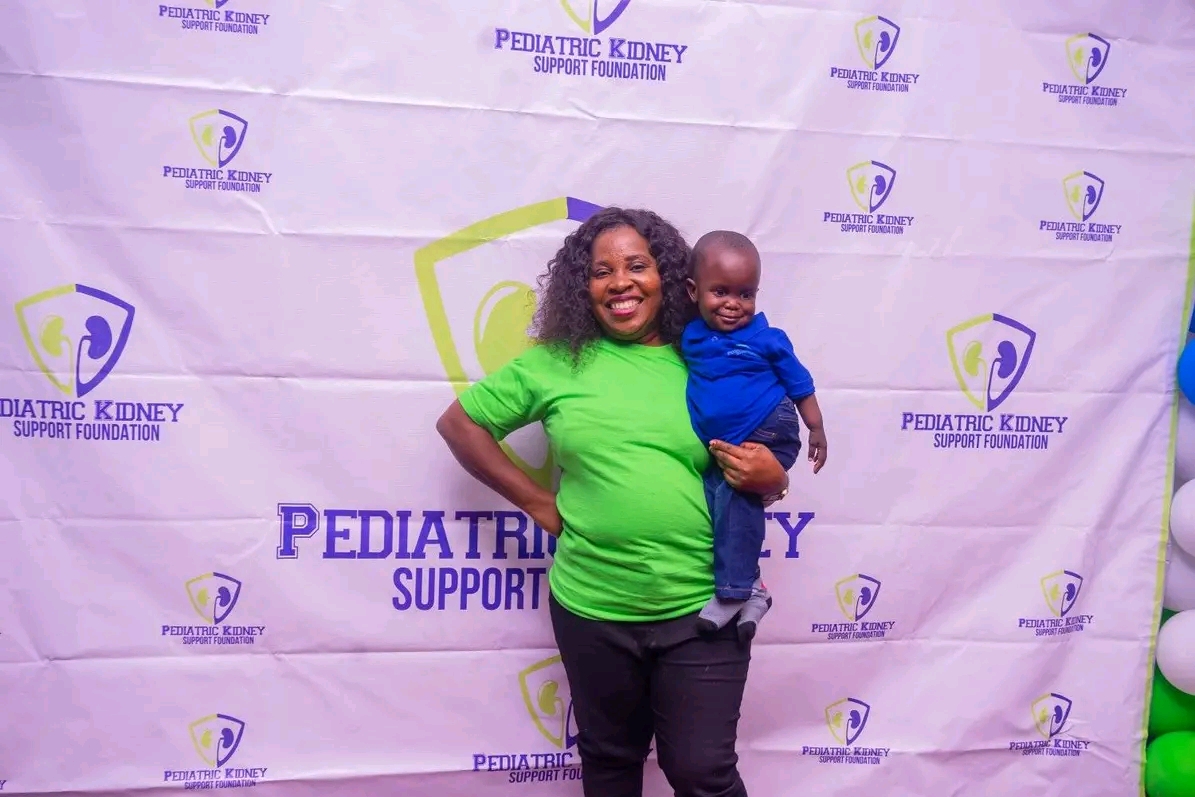
Born prematurely with Prune Belly Syndrome and chronic kidney disease, Elizabeth Mwansa’s son, Conaniah, faced severe health challenges from birth. After spending weeks in the hospital undergoing multiple tests and surgeries, his condition remained fragile. Despite emotional and financial hardships, Elizabeth found strength through faith, family, and medical support. Determined to improve her son’s quality of life, she researched CKD management, adjusted their family’s lifestyle, and connected with specialists. While the future remains uncertain, her journey highlights the resilience of caregivers and the importance of early intervention, proper nutrition, and unwavering hope in the face of chronic illness.
Conaniah Kisu Chisoya was born on 23rd December 2021 at University Teaching Hospital (UTH) in Lusaka. As a preterm baby with unstable breathing, he was rushed to the intensive care unit , where a feeding tube was inserted into his urethra to help drain urine. He spent seven days there, four of which required oxygen support. On 29th December, renal doctors assessed his stability and moved him to the renal ward, relieving me from the exhausting two-hourly feeding program.
Apart from his renal condition, Conaniah was born with Prune Belly Syndrome, a rare congenital disorder affecting the urinary tract. It is characterized by missing abdominal muscles, undescended testicles, and an abnormally expanded bladder. An ultrasound revealed severe hydronephrosis [Editor’s note: Hydronephrosis occurs when one or both kidneys swell due to a blockage or buildup of urine in the urinary tract] in both kidneys, which left me feeling helpless. I questioned why this had happened and struggled with despair. I spent a month in the hospital, away from my other children. Daily blood tests to check his electrolytes added to my distress, as did his catheter, which remained in place for over five months.
However, my husband’s unwavering positivity kept me going. One night, overwhelmed with emotion, I broke down, but a kind young nurse comforted me. Her words rekindled my faith and gave me the strength to carry on.
God provided support through friends, both locally and abroad. While researching Prune Belly Syndrome, I connected with Mr. Pat from the USA, a 67-year-old living with the same condition. He encouraged me to stay hopeful and pray. Family, friends, and healthcare workers offered emotional and financial support, helping me navigate this journey.
After discharge, I frequently returned to the hospital —three times a week—to monitor Conaniah’s electrolytes. The financial strain of travel and medical expenses was challenging. I took a break from work to care for him, becoming so protective that even his father had little opportunity to help.
In March 2022, Conaniah was diagnosed with chronic kidney disease (CKD). His urine output decreased, and his face became puffy, especially in the mornings. Seizures started, and I felt completely hopeless, fearing for his life. I was consumed by stress and sleeplessness.
| However, instead of asking, “Why is this happening?” I shifted my mindset to “What can I do to help?” I began researching CKD management, renal-friendly diets, and warning signs of deterioration. | Prayer and knowledge became my tools for fighting back. |
On 10th June 2022, he underwent a vesicostomy [Editor’s note: A vesicostomy is a procedure where a small incision is made in a child’s or infant’s abdomen to create an opening for draining urine from the bladder] to help urine drain freely. When it did not improve his condition as expected, further scans and an MRI revealed a urinary tract obstruction. On 10th October, he underwent a five-to-six-hour surgery for ureter re-implantation. The operation was successful, but three weeks later, he developed a severe kidney infection (urosepsis), requiring a ten-day hospital stay. Thankfully, he recovered and turned one in December. His swelling reduced, and seizures stopped, though we continue regular medical reviews.
Living with a child with CKD requires lifestyle adjustments. As a family, we eat what he eats and avoid restricted foods, replacing meat with fish and drinking alkaline water to reduce acidity in his blood. I carefully check food labels for mineral content and ensure he follows a low-potassium, phosphorus, and sodium diet. His immune system is weaker than his siblings’, so we take extra precautions to prevent infections.
Only his renal doctors prescribe his medication. I have learned to do urinalysis at home, monitoring for protein, leukocytes, and nitrates as early infection indicators. I manage his fluid intake to prevent dehydration or overload. Researching ways to slow CKD progression and avoid dialysis or transplant has become a priority.
The future remains uncertain. Kidney failure may eventually lead to dialysis or transplantation, but Zambia lacks transplant facilities, and seeking treatment abroad is costly. I have started gathering information from India to explore potential options.
To parents caring for CKD patients—do not lose hope. Proper diet, medical follow-ups, and a positive mindset can make a difference. CKD patients are fighters, and they need our unwavering support. If you do not have kidney disease, protect your kidneys by staying hydrated, eating healthily, avoiding smoking, and undergoing regular checkups—early detection saves lives.
Disclaimer: The blog series is intended for informational purposes only and is not meant to endorse or promote any specific drug, product, or brand. Each individual’s experience is unique and should not be construed as medical advice or a guarantee of similar results for others. Always consult a qualified healthcare professional before making any decisions regarding your health and well-being.