After receiving a kidney transplant from his father in 2022, Pemba Sherpa—a 37-year-old from Nepal—refused to let chronic illness define his future. Determined to show what’s possible after transplant, he trained relentlessly and, in May 2025, became the first kidney transplant recipient to successfully summit Mt. Everest. His historic climb is not only a testament to his strength and resilience but also a powerful call for increased awareness of organ donation and the potential for life after transplant.
Story written by Hari Narayan Sharma, World Kidney Day Champion, 19 Years Post-Kidney Transplant Survivor
Kathmandu, May 18, 2025
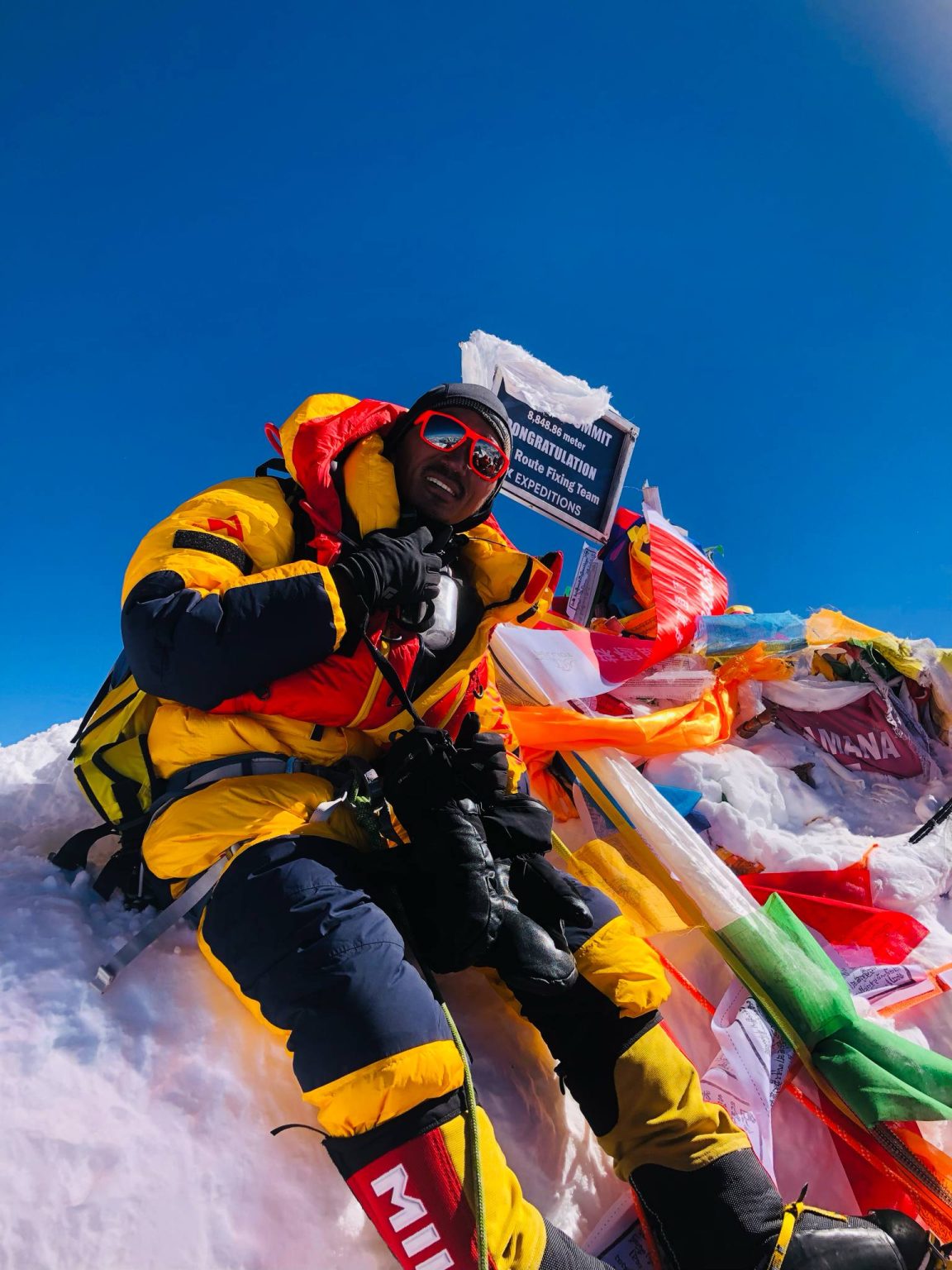
In an extraordinary moment that resonates from the highest point on Earth, Pemba Sherpa, a 37-year-old kidney transplant survivor from Solukhumbu, Nepal, has etched his name into global history. On May 14, 2025, at 9:30 AM, he became the first kidney transplant recipient ever to successfully summit Mt. Everest, the world’s tallest peak. This is not just a remarkable feat of physical endurance—it is a living, breathing message of hope, possibility, and the transformative power of organ donation.
The Story That Touched the Sky
Pemba’s journey to the summit began in hardship. After returning to Nepal from six years of work in Japan, he was diagnosed with end-stage kidney failure in 2020. Both kidneys failed rapidly, forcing him into dialysis. In 2022, his father, Ang Gyaljen Sherpa, donated a kidney in a life-saving act of love. After a 30-month recovery, Pemba vowed not to let illness define him. “I promised myself I would not let this stop me,” Pemba said. “I wanted to prove that life doesn’t end after transplant—it begins again.” He first scaled Lobuche Peak in 2024, testing his strength and mental resolve. That climb became the turning point, and he set his sights on Everest. On May 14, 2025, with international mountaineers and IFMGA-certified guides by his side, he stood at the top of the world.
His achievement was confirmed by Thaneswar Guragain, the Guinness World Records representative in Nepal, marking a new milestone in transplant history.
A Symbol of Possibility After Transplant
| Pemba’s climb represents more than personal courage—it embodies the resilience and potential of transplant recipients everywhere. | “He’s not just a climber,” one expedition member shared. “He’s proof that a second chance at life can be powerful, bold, and limitless.” |
Now three years post-transplant, Pemba is a beacon of inspiration for all those battling kidney disease and for the many still waiting for the gift of life. His message is clear:
“This summit is for you. Never give up hope. A new life is possible.”
A Message from a Fellow Transplant Warrior
As the writer of this article, I, Hari Narayan Sharma, am honored to share Pemba’s story not only as a fellow advocate—but as a kidney transplant survivor myself. I am 19 years post-transplant, living a healthy, active life, and dedicating my energy to spreading awareness about kidney health, the importance of an active life after transplant, and organ donation awareness across Nepal. In 2010, I took the initiative to start the first Nepal Transplant Games and Kidney Walk, giving a platform to countless kidney and transplant patients to celebrate life and strength. I proudly support and lead the World Kidney Day campaign in Nepal, helping amplify stories like Pemba’s so that more lives can be saved and transformed through timely care, education, and the gift of organ donation.
Aligning with World Kidney Day’s Mission
Pemba Sherpa’s achievement perfectly echoes the core goals of World Kidney Day and the World Transplant Games Federation (WTGF):
To raise public awareness of the importance and benefits of organ donation and transplantation by demonstrating the health and fitness that can be achieved post-transplant. Equally, we aim to encourage all recipients to remain fit and healthy post-transplant.
His life—from kidney failure to the summit of Everest—embodies what is possible when love, medicine, and determination come together. It stands as a message to the world:
- Organ donation works.
- Life after transplant can be powerful and full of purpose.
- With awareness, action, and support, every patient can dream again.
A Call from the Himalayas to the Global Community
From the sacred land of Nepal—home of the mighty Himalayas—Pemba’s story calls out across the world:
Let us protect kidney health,
Let us support transplant recipients,
Let us say yes to organ donation,
And let us inspire hope for all who are still waiting.
Because from the top of the world, Nepal has sent a clear message: Life after transplant is not only possible—it can be extraordinary.
Photos: Pemba Sherpa on the Summit of Mt. Everest
Disclaimer: The blog series is intended for informational purposes only and is not meant to endorse or promote any specific drug, product, or brand. Each individual’s experience is unique and should not be construed as medical advice or a guarantee of similar results for others. Always consult a qualified healthcare professional before making any decisions regarding your health and well-being.