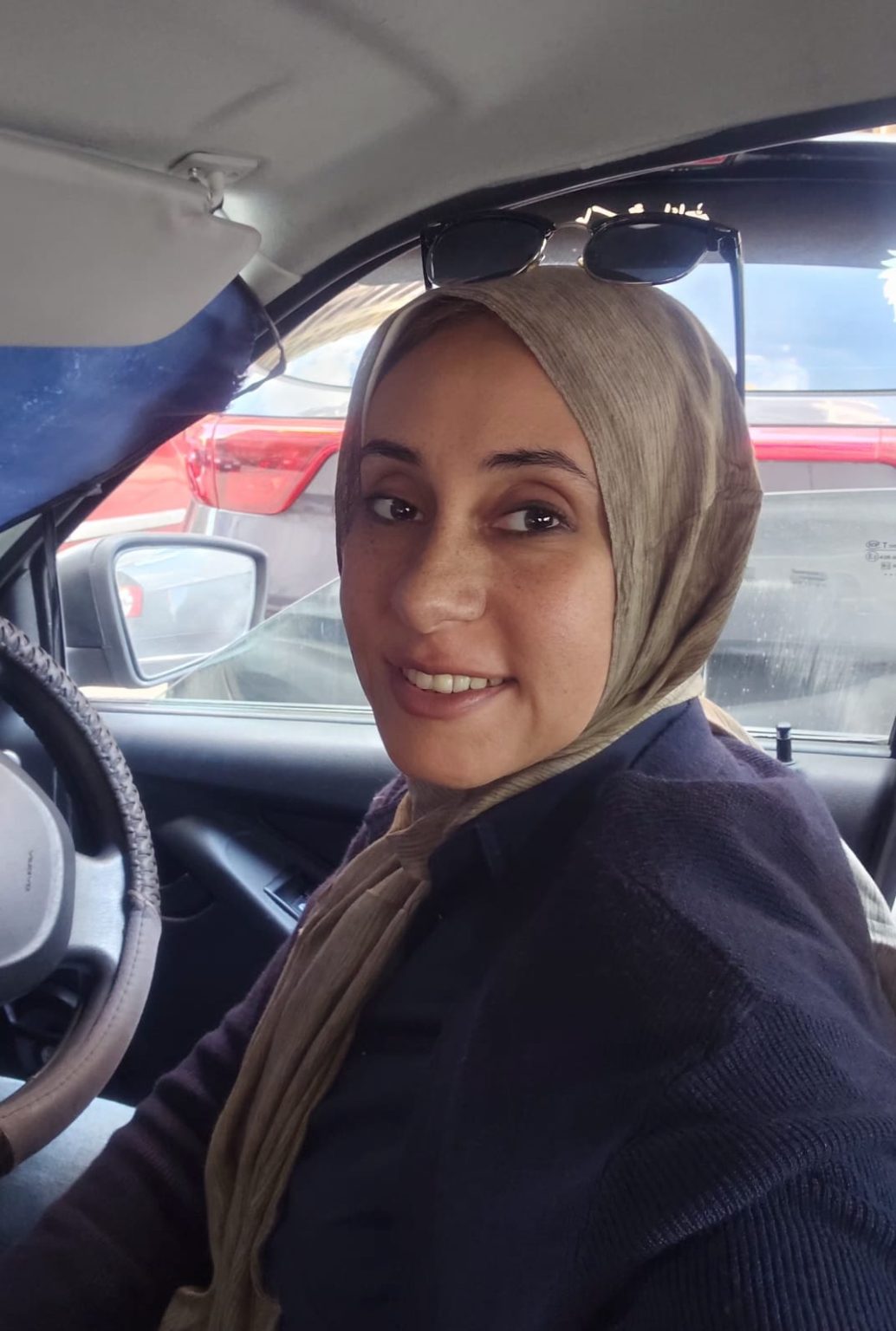
Eman Ibrahim, writing from Egypt, reflects on her experience working closely with patients living with kidney failure and witnessing the human realities behind the statistics. Through daily interactions, she observed how preventable conditions such as hypertension and diabetes often progress to kidney failure due to limited health literacy, financial hardship, environmental exposures, and unequal access to care. Her perspective highlights how kidney disease in Egypt disproportionately affects marginalized communities, revealing deep systemic inequities.
For more than a year, I have worked closely with patients facing kidney failure in Egypt. Day after day, I have witnessed not only their medical struggles but the profound human and systemiclayers that define their journeys. Behind every treatment chart and clinical update is a person whose life has been reshaped by a disease that could often have been prevented or delayed. What I see, repeatedly, is a silent epidemic—one marked not just by clinical complexity, but by deep and persistent inequity. Kidney failure in Egypt does not affect all people equally, and social determinants of health play a decisive role in shaping these disparities.
Structural factors such as income, education, geographic location, and access to healthcare create barriers that extend far beyond the clinic. Limited health literacy, economic precarity, and unequal distribution of medical resources mean that preventable conditions like hypertension and diabetes often progress to kidney failure in marginalized communities. Young adultsin their twenties face a lifetime of dialysis because their hypertension went unnoticed. Farmers from remote villages travel for treatment, losing income and time with each trip. Familiesration medications, skip screenings, and delay care because of cost. These are not isolated tragedies—they are symptoms of a system strained by gaps in access, awareness, and equity.
The financial burden of care, compounded by inconsistent insurance coverage and out-of-pocket costs, pushes families further into hardship.
| Environmental and occupational exposures, such as pesticides and contaminated water in agricultural communities, add another layer of risk, yet these populations are rarely included in preventative health initiatives. | A particularly troubling trend is the rising incidence of kidney failure among younger Egyptians, linked to shifting lifestyles, economic stress, and inadequate early detection. |
This is not simply a medical issue, it is a reflection of systemic inequities that determine who becomes sick, who is diagnosed, and who can afford to stay well.
However, amid these challenges, there are signs of hope and action. National initiatives such as the 100 million Seha campaign have brought screening and awareness to the forefront of public health. Led by the Ministry of Health and Population (MOHP), this nationwide effort aims to detect chronic conditions like hypertension, diabetes, and kidney disease early, particularly among vulnerable and underserved populations. By integrating kidney health screenings into broader public health drives, Egypt is taking crucial steps toward prevention, early intervention, and equity in healthcare access.
These efforts signal a growing recognition that kidney health cannot be addressed through treatment alone. It requires proactive, systemic, and socially conscious strategies. From expanding telehealth and mobile clinics in remote areas to strengthening financial protection through health insurance reforms, change is slowly taking shape. Public awareness campaigns, community engagement, and policy reforms are beginning to align in ways that prioritize prevention and equity.
Addressing kidney failure in Egypt therefore requires not only clinical interventions, but also policies that tackle the root social and economic conditions underlying this silent epidemic. It demands a commitment to equity at every level, from the MOHP’s screening campaigns to community-based education, from affordable medication access to environmental protections. The dialysis machine may keep a person alive, but only equity can give them a life worth living. Healing kidneys must go hand in hand with healing the systems that determine health, so that every Egyptian, regardless of background, has a fair chance to live fully and well.
Disclaimer: The blog series is intended for informational purposes only and is not meant to endorse or promote any specific drug, product, or brand. Each individual’s experience is unique and should not be construed as medical advice or a guarantee of similar results for others. Always consult a qualified healthcare professional before making any decisions regarding your health and well-being.