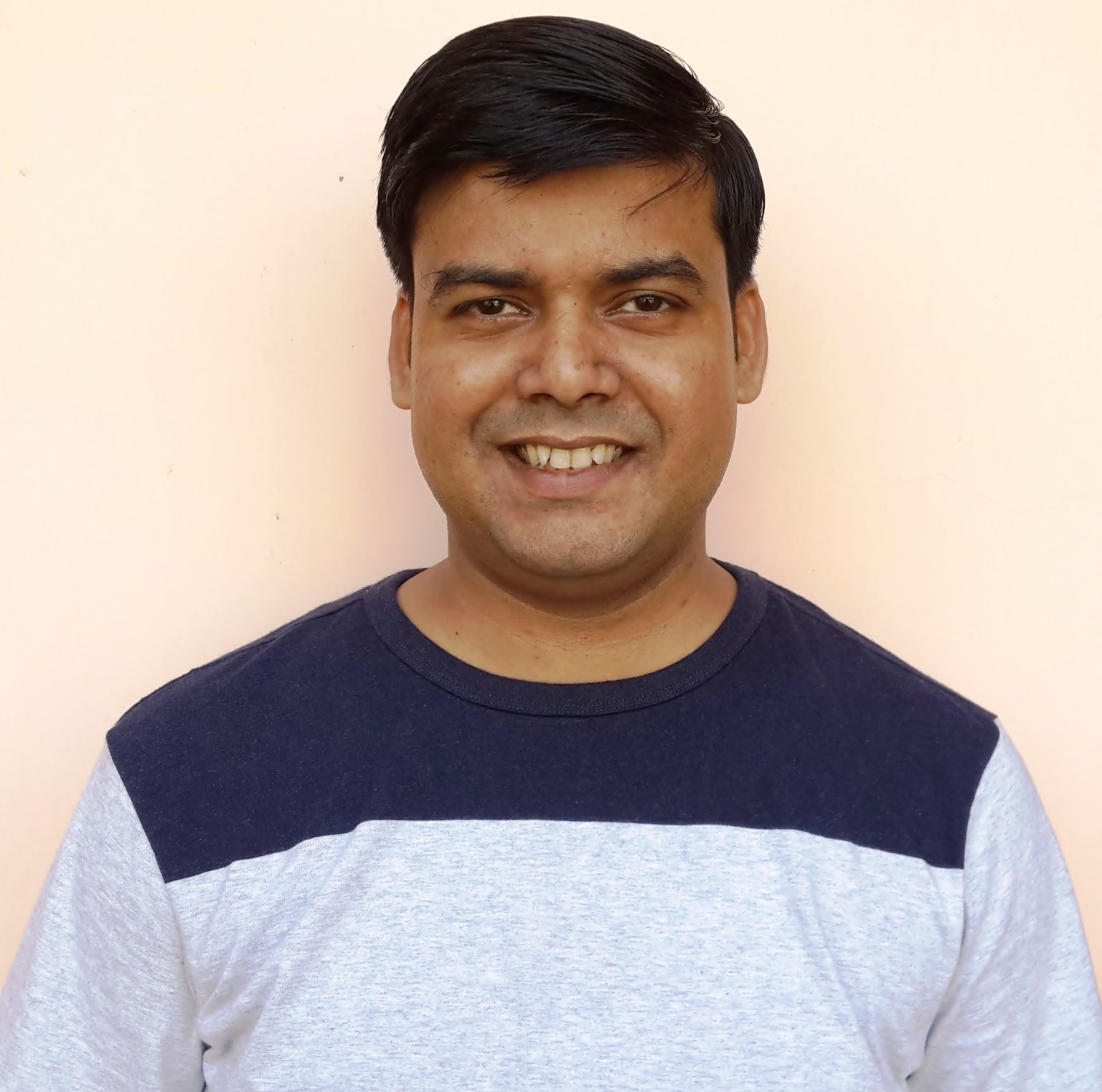
While caring for his ailing father, Sambhav Verma ignored early symptoms until a routine checkup revealed Chronic Kidney Disease (CKD). As his kidney function declined, he faced complications like kidney stones, gout, and rising creatinine levels, eventually leading to dialysis in 2015. Support from his wife, employer, and the Kidney Warriors Foundation played a crucial role in his journey. His experience highlights the need for greater awareness, organ donation reforms, and better healthcare policies to support CKD patients
Winter of 2011: The First Signs
In January 2011, while focused on my father’s cancer treatment, I noticed small papules on my skin. They looked like acne, but my priority was my father’s health. After months of struggle, he passed away in April. In June, after completing his last rites, I finally consulted a dermatologist, who dismissed my concerns and prescribed a few medications.
A Life-Changing Discovery
Having learned the importance of regular health checkups, I decided to undergo a full-body checkup. The results were shocking – my creatinine level was 6 mg. My journey with Chronic Kidney Disease (CKD) had begun. A nephrologist ordered several tests, including blood work, ultrasounds, and a DTPA renal scan [Editor’s note: A renal DTPA scan is a medical exam in which a small amount of radioactive material is used to measure the function of the kidneys, to see how the left and right kidney work comparatively.]. The findings were alarming: my left kidney’s GFR was 20.98 mL/min, and my right kidney was even lower at 14.76 mL/min, compared to the normal 86 mL/min. Treatment started immediately with CKD medications and a strict low-sodium, low-potassium, low -protein diet. I felt overwhelmed, afraid, and frustrated by my new reality.
Battling Fear
For six months, I struggled with acceptance. Fear, anxiety, and uncertainty consumed me. But my wife, Monika, became my pillar of strength. She not only supported me but also educated herself about CKD, helping us navigate this challenge together.
Her constant encouragement shifted my perspective. I began to see CKD as something to manage, not fear. This change in mindset empowered me to face the journey ahead.
A New Battle – Kidney Stone and Gout
The road was far from smooth. In January 2012, I suffered severe pain from a 9×6 mm kidney stone lodged in my ureter. A DJ stenting procedure was required, and the stent was removed in February once the stone had passed. [Editor’s note: DJ stenting is a procedure to place a thin, flexible plastic tube temporarily into the ureter to help urine drain from the kidney to the bladder in the case of a blockage]
Just as I thought I could breathe again, another issue arose. In March, I was diagnosed with gout, causing unbearable pain in my right ankle. It took a mix of steroids, analgesics, colchicine, and antihypertensive medications to bring it under control. These setbacks tested my strength, but Monika’s unwavering support kept me going.
Preparing for Dialysis
By March 2013, as my creatinine levels reached 8 mg, my doctor advised me to undergo AV fistula surgery [Editor’s note: A procedure that connects an artery to a vein in preparation for dialysis], anticipating the need for dialysis. His foresight saved me from complications later.
Around the same time, Monika’s research led us to the Kidney Warriors Foundation (KWF), an incredible support community. During a KWF meeting in Connaught Place, Delhi, I met Mohit Dhawan, who guided me toward the best dialysis center for my needs: Noida Apollo.
When I finally reached the dialysis stage in October 2015, my creatinine had risen to 11. Thanks to my AV fistula, I avoided the painful experience of neckline dialysis.
Exploring Treatment Options
Before starting dialysis, I explored alternative treatments, including homeopathy, hoping for a miracle – but it did not work. I avoided Ayurvedic treatments, having heard horror stories from other CKD patients in the KWF community. By October 2024, I will have completed nine years on dialysis. Looking back, I realize the importance of being informed, cautious, and having a strong support system.
Professional Life and Employer Support
At the time of my CKD diagnosis, I was working for a company that covered my medical expenses through corporate insurance. However, I know not everyone is as fortunate.
The nature of dialysis made changing jobs impossible – many employers hesitate to hire someone with a chronic illness. Though this limited my career growth, I remain grateful for the stability and support I received.
Working for a French company also gave me unique opportunities. I visited Paris in 2017 and 2022, where I continued my dialysis treatments.
| In France, all adults are presumed organ donors unless they opt out during their lifetime. Donations are anonymous and free of charge. | I wish India could implement a similar policy to help countless patients in need. |
A Glimmer of Hope for the Future
I tried convincing my company to transfer me to France for better treatment options, but it did not work out. Still, I remain hopeful.
While the Indian government has made efforts to raise awareness about cancer and heart disease, kidney disease and organ donation remain overlooked. I continue advocating for greater awareness and improved healthcare policies.
A Journey of Strength and Hope
My CKD journey has been long and challenging, marked by moments of fear, hope, pain, and resilience. I owe my strength to Monika, who stood by me like a rock, my doctors, who guided me, and the KWF community, which provided invaluable support.
While CKD has limited some aspects of my life, it has also given me perspective. I have learned the importance of knowledge, support, and perseverance. With these, we can turn struggles into a journey of courage and hope.
Disclaimer: The blog series is intended for informational purposes only and is not meant to endorse or promote any specific drug, product, or brand. Each individual’s experience is unique and should not be construed as medical advice or a guarantee of similar results for others. Always consult a qualified healthcare professional before making any decisions regarding your health and well-being.