Rebecca Nayiga Kirima, from Uganda, was diagnosed with kidney disease during pregnancy, facing life-threatening risks. After giving birth prematurely and starting dialysis, she spent years searching for a donor. A successful transplant in Turkey, made possible through a crossmatch, gave her a second chance at life. Now, she advocates for kidney health through her foundation and competes in the World Transplant Games to raise awareness.
My name is Rebecca Nayiga Kirima, a kidney transplant recipient and a proud mother. My life changed dramatically when I was diagnosed with kidney disease just three months into my pregnancy, marking the start of an extraordinary journey.
The diagnosis was crushing: my kidneys were deteriorating at an alarming rate, and the pregnancy was accelerating the decline. The doctor’s words still echo in my mind: ‘Rebecca, it’s either you or the baby, and at worst, we may lose both of you. Terminate the pregnancy to save your life’.
With a resolve born of love and determination, I rejected the option of termination. Instead, I embarked on a journey of bedrest and resilience, as my body struggled to cope with the demands of pregnancy and kidney disease. Despite the overwhelming challenges, I remained committed to carrying my child to term, driven by my faith and the support of my husband and a fierce determination to bring new life into the world.
I attended extensive hospital visits every week, seeing both my nephrologist and gynaecologist.
At 32 weeks, I underwent an emergency C-section, delivering a beautiful but underweight baby girl. However, my own life was now at risk. After delivery, my kidneys failed, and I fell into a coma for five days. During this time, I was started on dialysis.
| Before I woke up, the doctors told my husband that I might not survive the next day. | But just as I was about to be moved out of the Intensive Care Unit (ICU), I defied the odds—regaining consciousness, asking for a cup of tea, and trying to make sense of my surroundings. |
I was eventually transferred out of the ICU to the ward, rather than the mortuary. I continued with dialysis three times a week, often facing unexpected hospital admissions.
Later, my transplant journey began, and my younger brother was initially slated to be my donor. A friend launched the “Save Rebecca 5K Campaign” on social media, which miraculously raised 150,000,000 Ugandan shillings (about $41,000) in just three weeks during the COVID-19 pandemic.
This allowed me to travel to Turkey with my husband and my brother for the transplant procedure, which was not possible in Uganda. Unfortunately, my brother was rejected as a donor at the hospital in Turkey. In an effort to save my situation, my cousin flew in from Uganda, but she too was deemed unsuitable. This left my husband as the final potential donor. However, just two days before the surgery, the surgeon warned that receiving a kidney from my husband carried a high risk of rejection, due to my pre-existing antibodies. He then connected us with a couple from Bosnia (Medjugorje) who were in the same situation, and we proceeded with a crossmatch.
After nine months in Turkey and two and a half years on dialysis, I finally underwent a successful transplant. Today, I am a proud kidney recipient, and every breath I take is a testament to the power of faith, perseverance, and the kindness of strangers. I have also participated in Transplant Games to celebrate the gift of life after transplant, both in Uganda and South Africa. I am looking forward to advocating for this lifesaving procedure on a global stage in Germany as I compete at the 2025 World Transplant Games in Dresden.
I also founded the Rebecca Nayiga Foundation to promote kidney health advocacy in Uganda and support those facing challenges similar to what I went through.
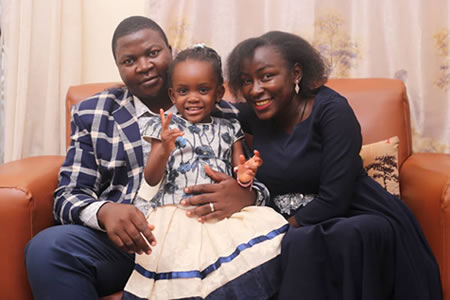
I am grateful for every moment with my husband, who selflessly donated his kidney to save my life, and our beautiful four-year-old daughter, who brings us immense joy.
Disclaimer: The blog series is intended for informational purposes only and is not meant to endorse or promote any specific drug, product, or brand. Each individual’s experience is unique and should not be construed as medical advice or a guarantee of similar results for others. Always consult a qualified healthcare professional before making any decisions regarding your health and well-being.