Chronic kidney disease (CKD) is estimated to affect approximately 850 million people worldwide[1]. If left undetected and not treated timely, CKD can progress to kidney failure, leading to severe complications and premature mortality. By 2040, CKD is projected to become the 5th leading cause of years of life lost[2], highlighting the urgent need for global strategies to combat kidney disease.
Populations at high risk for kidney disease should undergo targeted testing.
Autoimmune diseases (such as systemic lupus erythematosus or vasculitis)
Being born with a low birth weight or prematurely
Blockages in the urinary tract
Frequent kidney stones
Birth defects affecting the kidneys or urinary tract.
In lower-income countries, kidney disease is often linked to heat stress in farm workers [3], snake bites, environmental toxins, traditional medicines, infections like hepatitis B or C, HIV, and parasites [4][5].
Simple, non-invasive, and cost-effective tests for high-risk populations include:
Blood pressure measurements to check for hypertension.
Body Mass Index (BMI), which is an estimation of body fat based on height and weight. BMI can be calculated here.
Urine test:
Albumin in urine (Albuminuria) to assess kidney damage. Urinary Albumin-Creatinine Ratio (uACR) is preferrable.
Blood tests:
Glycosylated haemoglobin or fasting or random glucose to check for type 2 diabetes.
Serum creatinine (more accurate if in combination with cystatin C) to estimate Glomerular Filtration Rate (eGFR) and evaluate kidney function.
Early detection policies for individuals at risk should be implemented globally to reduce the healthcare costs associated with kidney failure and improve quality of life.
Primary care clinicians and frontline health workers should be trained to integrate CKD testing into routine care for high-risk populations, even when time and resources are limited [6][7].
CKD testing should be integrated into existing community interventions (e.g., those targeting maternal health, HIV, tubercolosis, and other non-communicable diseases) to decrease cost and enhance efficiency [8].
Testing may also occur outside of medical settings, such as in town halls, churches, or markets, depending on local regulations and available resources.
Efforts should also focus on raising awareness among the general population, promoting health, and implementing education programs that empower patients.
[1] Collaboration GBDCKD. Global, regional, and national burden of chronic kidney disease, 1990-2017: a systematic analysis for the Global Burden of Disease Study 2017. Lancet. Feb 29 2020;395(10225):709-733. doi: 10.1016/S0140-6736(20)30045-3 [2] Foreman KJ, Marquez N, Dolgert A, et al. Forecasting life expectancy, years of life lost, and all-cause and cause-specific mortality for 250 causes of death: reference and alternative scenarios for 2016-40 for 195 countries and territories. Lancet. Nov 10 2018; 392(10159):2052-2090. doi: 10.1016/S0140-6736(18)31694-5 [3] Johnson RJ, Wesseling C, Newman LS. Chronic Kidney Disease of Unknown Cause in Agricultural Communities. New England Journal of Medicine. 2019;380(19):1843-1852. doi: 10.1056/NEJMra1813869 [4] McCulloch M, Luyckx VA, Cullis B, et al. Challenges of access to kidney care for children in low-resource settings. Nature reviews Nephrology. 2021/01/01 2021;17(1):33-45. doi: 10.1038/s41581-020-00338-7 [5] Stanifer JW, Muiru A, Jafar TH, Patel UD. Chronic kidney disease in low- and middle-income countries. Nephrol Dial Transplant. Jun 2016;31(6):868-74. doi: 10.1093/ndt/gfv466 [6] Vassalotti JA, Centor R, Turner BJ, et al. Practical Approach to Detection and Management of Chronic Kidney Disease for the Primary Care Clinician. Am J Med. Feb 2016;129(2):153-162 e7. doi: 10.1016/j.amjmed.2015.08.025 [7] Vassalotti JA, Boucree SC. Integrating CKD Into US Primary Care: Bridging the Knowledge and Implementation Gaps. Kidney Int Rep. Mar 2022;7(3):389-396. doi: 10.1016/j.ekir.2022.01.1066 [8] Shlipak MG, Tummalapalli SL, Boulware LE, et al. The case for early identification and intervention of chronic kidney disease: conclusions from a Kidney Disease: Improving Global Outcomes (KDIGO) Controversies Conference. Kidney International. Jan 2021; 99(1):34-37. doi: 10.1016/j.kint.2020.10.012
Join us in celebrating World Kidney Day and promote kidney health education! Use the hashtag #AreYourKidneysOK to raise awareness about the importance of knowing the risk factors for kidney disease and the need for regular testing for high-risk populations.
How to participate in the
# challenge
Download and print one (or more!) of our themed props [Available for downloadhere], each representing an aspect of the 2025 theme.
Attach the printed prop to a skewer with tape to make it easier to hold!
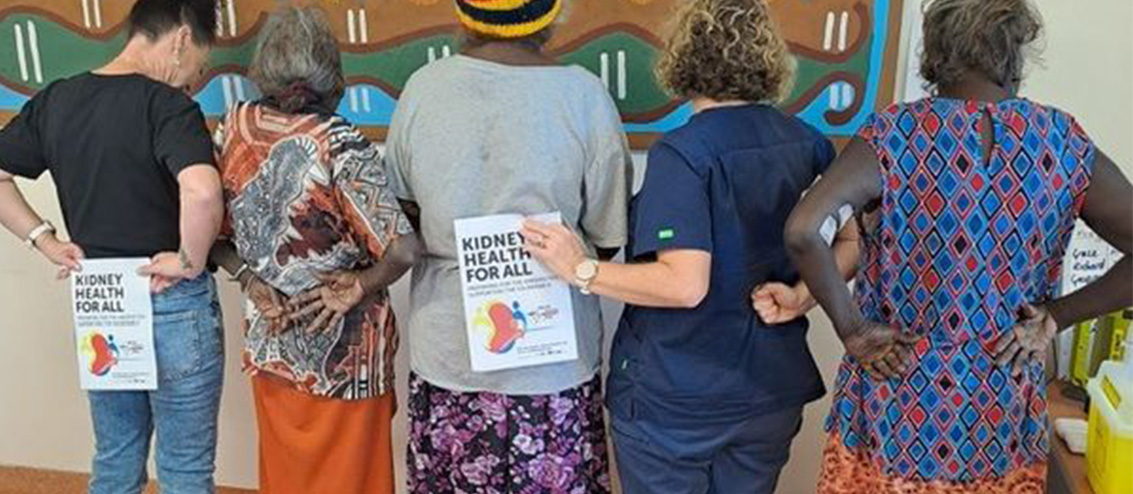
Take a photo of yourself with the prop(s) and share it on social media using the hashtag #AreYourKidneysOK (along with our official hashtag #WorldKidneyDay).
Don’t forget to tag @worldkidneyday!
Feel free to use any of the captions we have drafted for you in the box on the right.
Get creative, and invite your friends, family, and colleagues to join in!
Inspiration for your
posts
Detecting kidney disease early is essential for preventing complications and improving quality of life. Know the risks. #AreYourKidneysOK #WorldKidneyDay
If you are at risk of kidney disease, make sure to get tested regularly. #AreYourKidneysOK #WorldKidneyDay
#AreYourKidneysOK? Take the ‘Are Your Kidneys Healthy?’ quiz to find out! #WorldKidneyDay 👉 https://www.worldkidneyday.org/2025-campaign/
Did you know diabetes is a major risk factor for kidney disease? If you have diabetes, talk to your doctor about checking your kidney health. #AreYourKidneysOK#WorldKidneyDay
Did you know high blood pressure is a major risk factor for kidney disease? If you have hypertension, talk to your doctor about checking your kidney health. #AreYourKidneysOK#WorldKidneyDay
Did you know obesity is a major risk factor for kidney disease? If you have obesity, talk to your doctor about checking your kidney health. #AreYourKidneysOK#WorldKidneyDay
Did you know a family history of kidney disease increases your risk? If kidney disease runs in your family, talk to your doctor about checking your kidney health. #AreYourKidneysOK #WorldKidneyDay
*Disclaimer: World Kidney Day is global awareness campaign that aims to increase awareness of kidneys and kidney disease. We do not give professional medical advice, or provide diagnosis or treatment. Please talk to a doctor or other professional healthcare provider to obtain the information you seek.
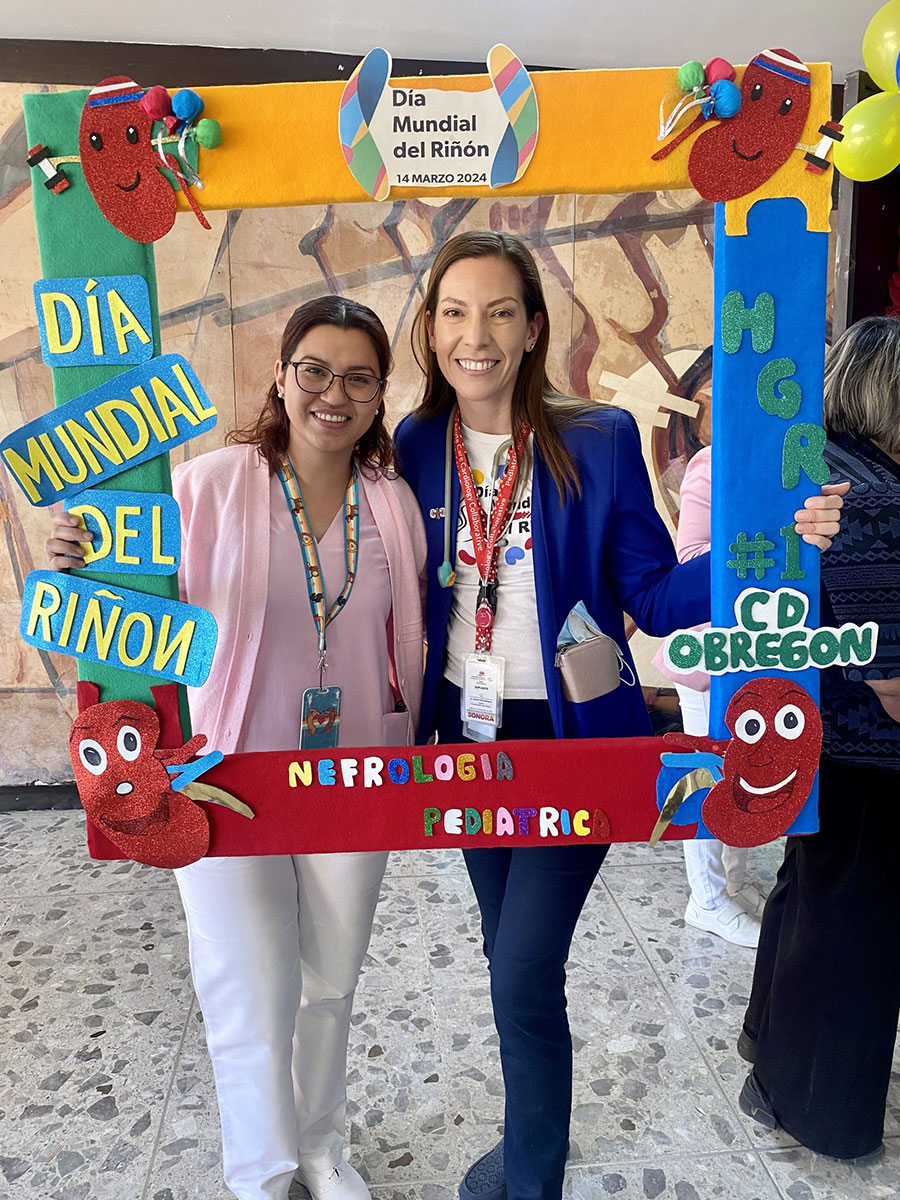
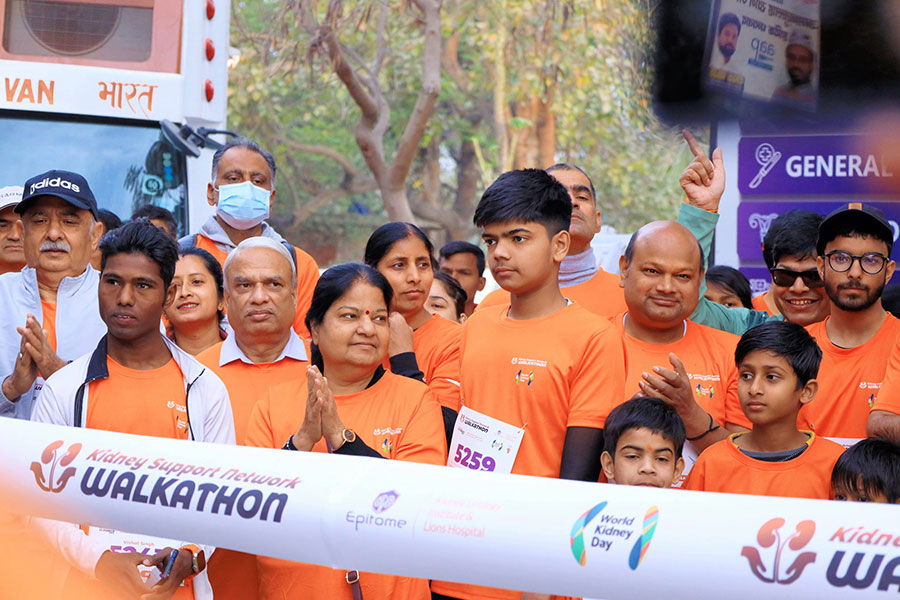
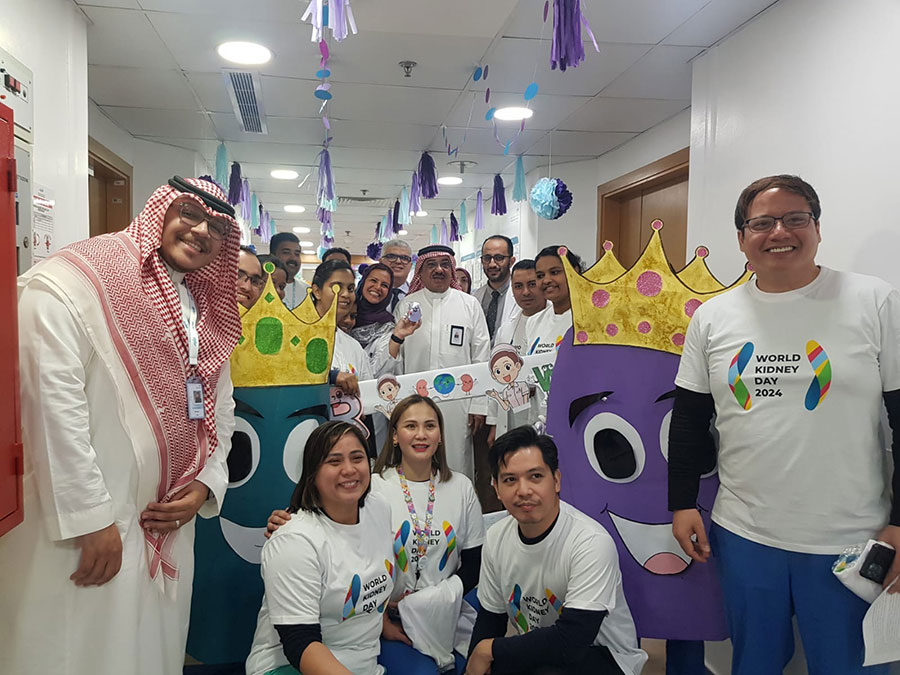
WKD 2025 photo gallery
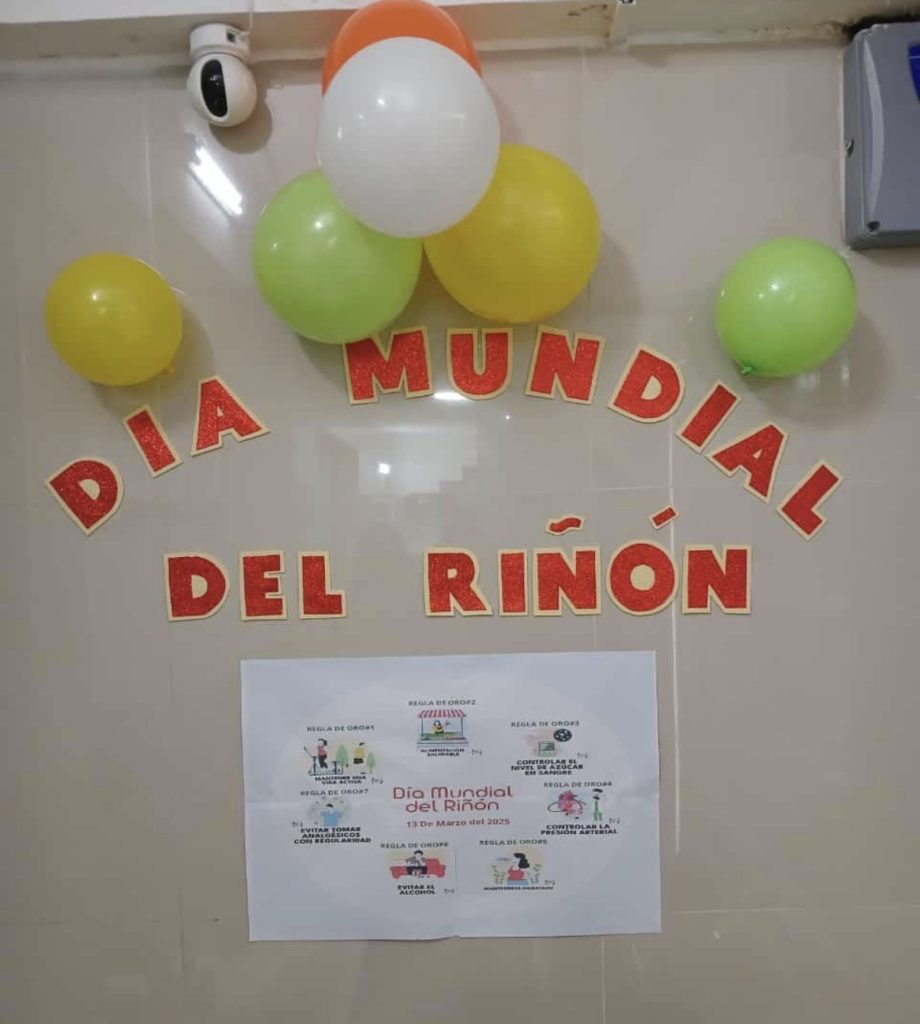
A selection of some of the best pictures of World Kidney Day throughout the years. See your events, our team and all the ways you got involved during one of our many World Kidney Days.
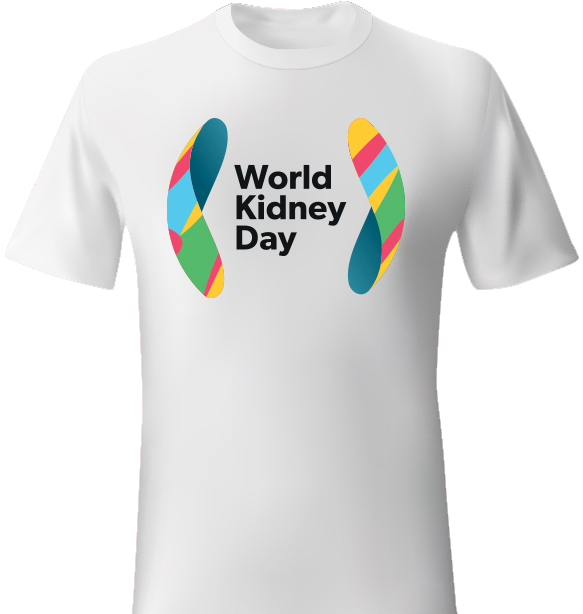
The 2025 WKD collection is now live! Explore our wide range of WKD-branded items, including T-shirts, tote bags, pens, and more. Get yours today – whether for yourself or to share with friends – and join us in marking World Kidney Day!