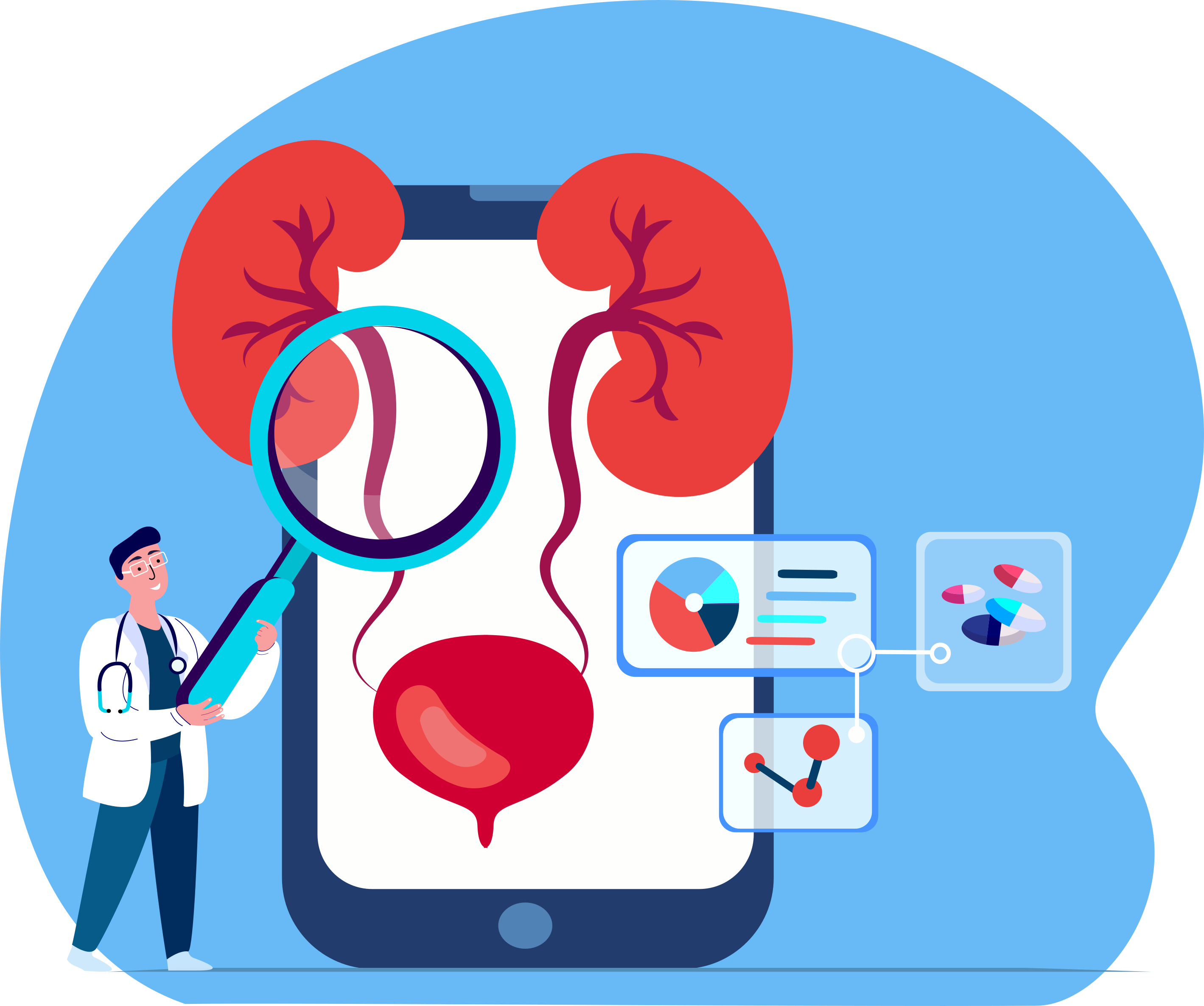
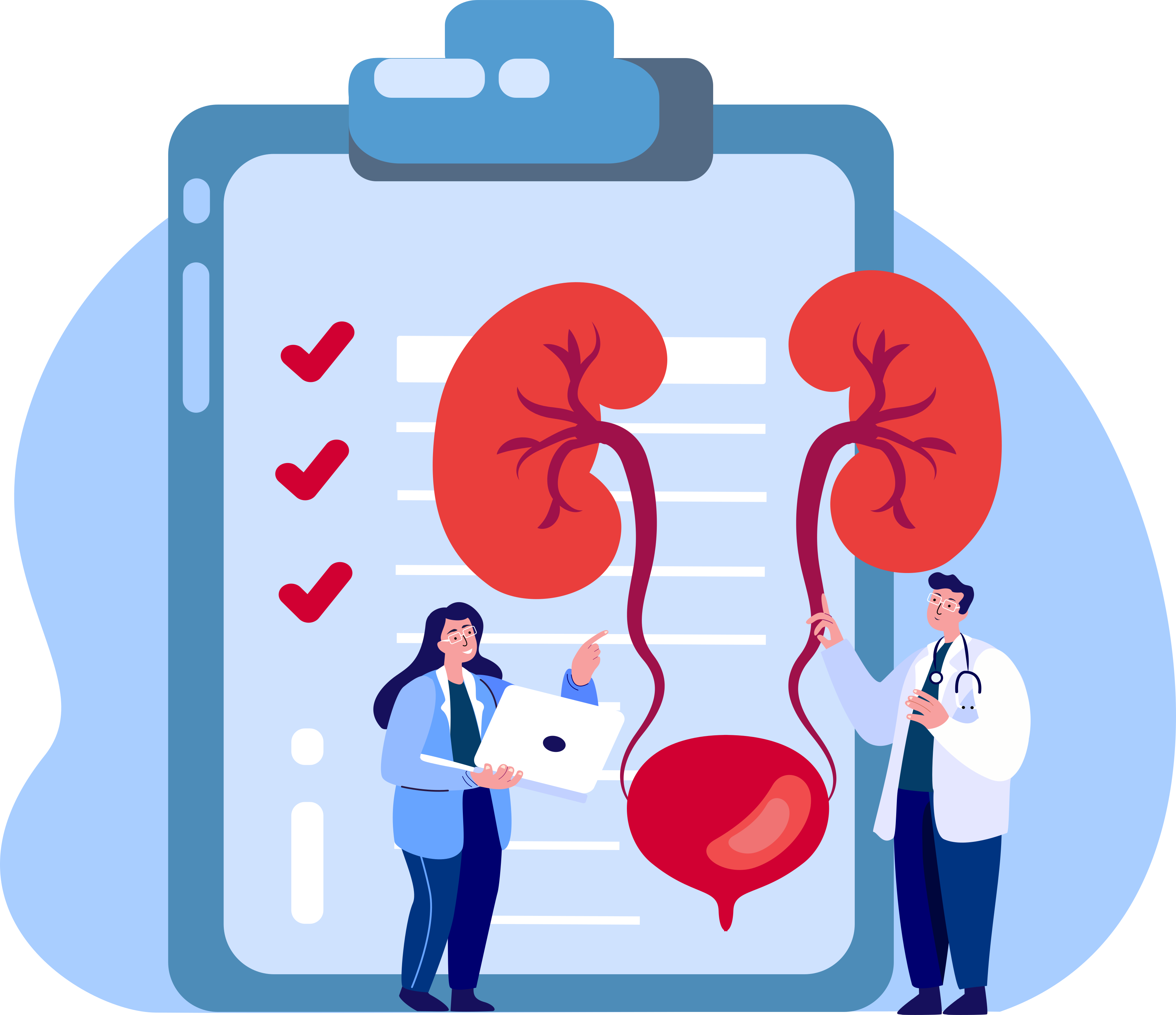
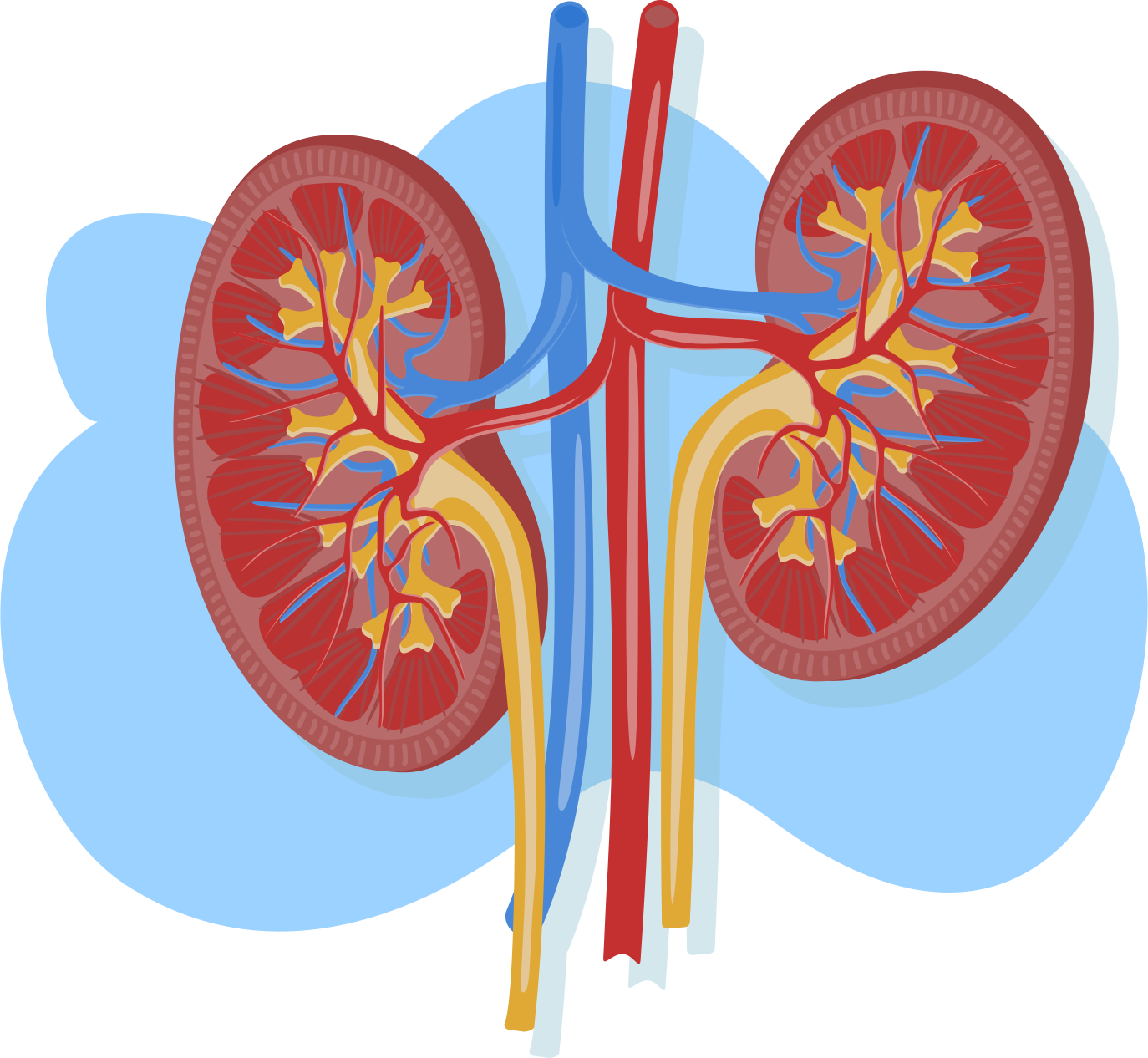
The kidneys are complicated and amazing organs that do many essential tasks to keep us healthy. Find out more about your kidneys by visiting our knowledge bank.
The World Kidney Day Joint Steering Committee has declared 2024 to be the year of “Kidney Health for All – Advancing equitable access to care and optimal medication practice”. View past and present campaign material here.
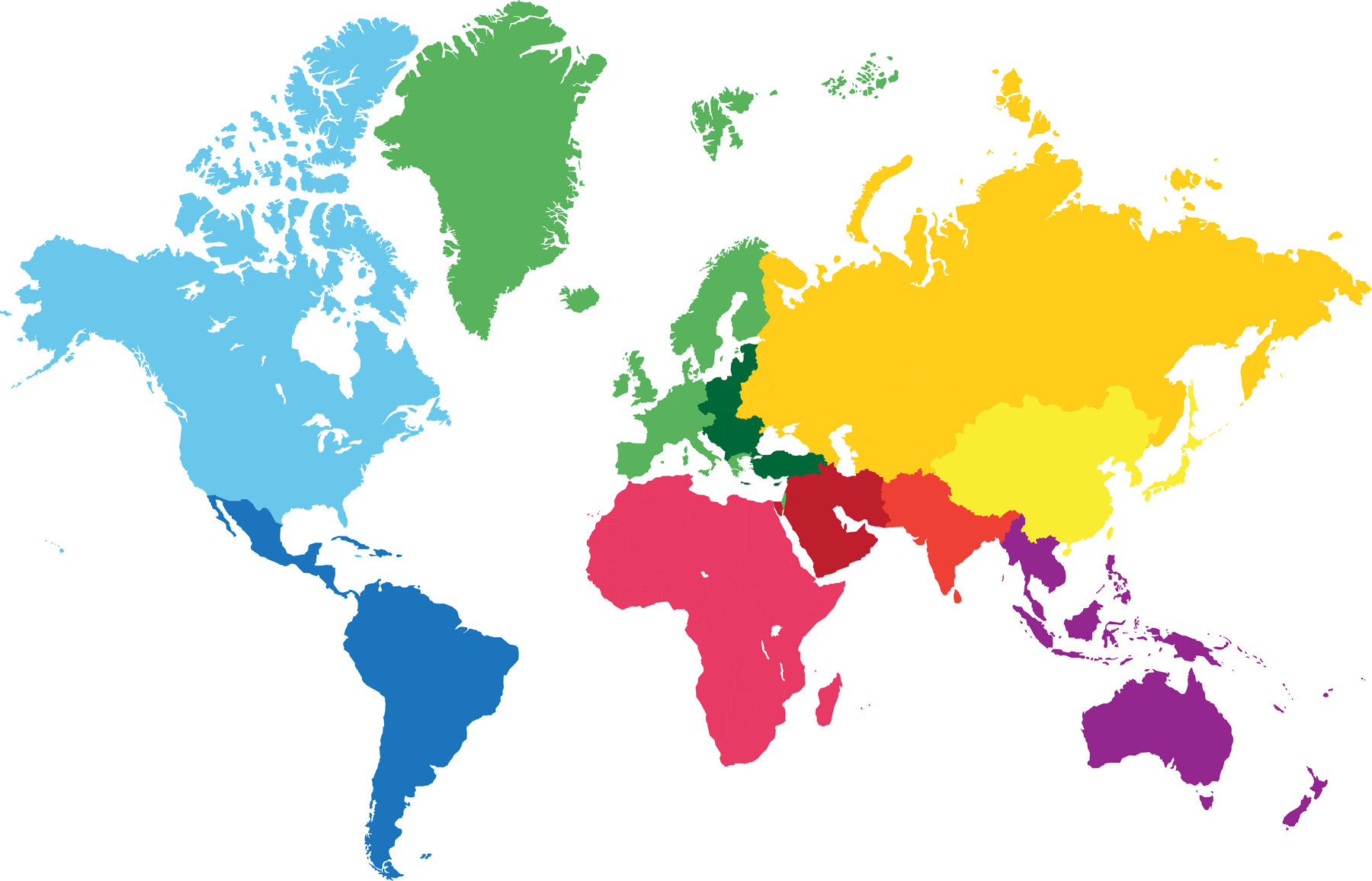
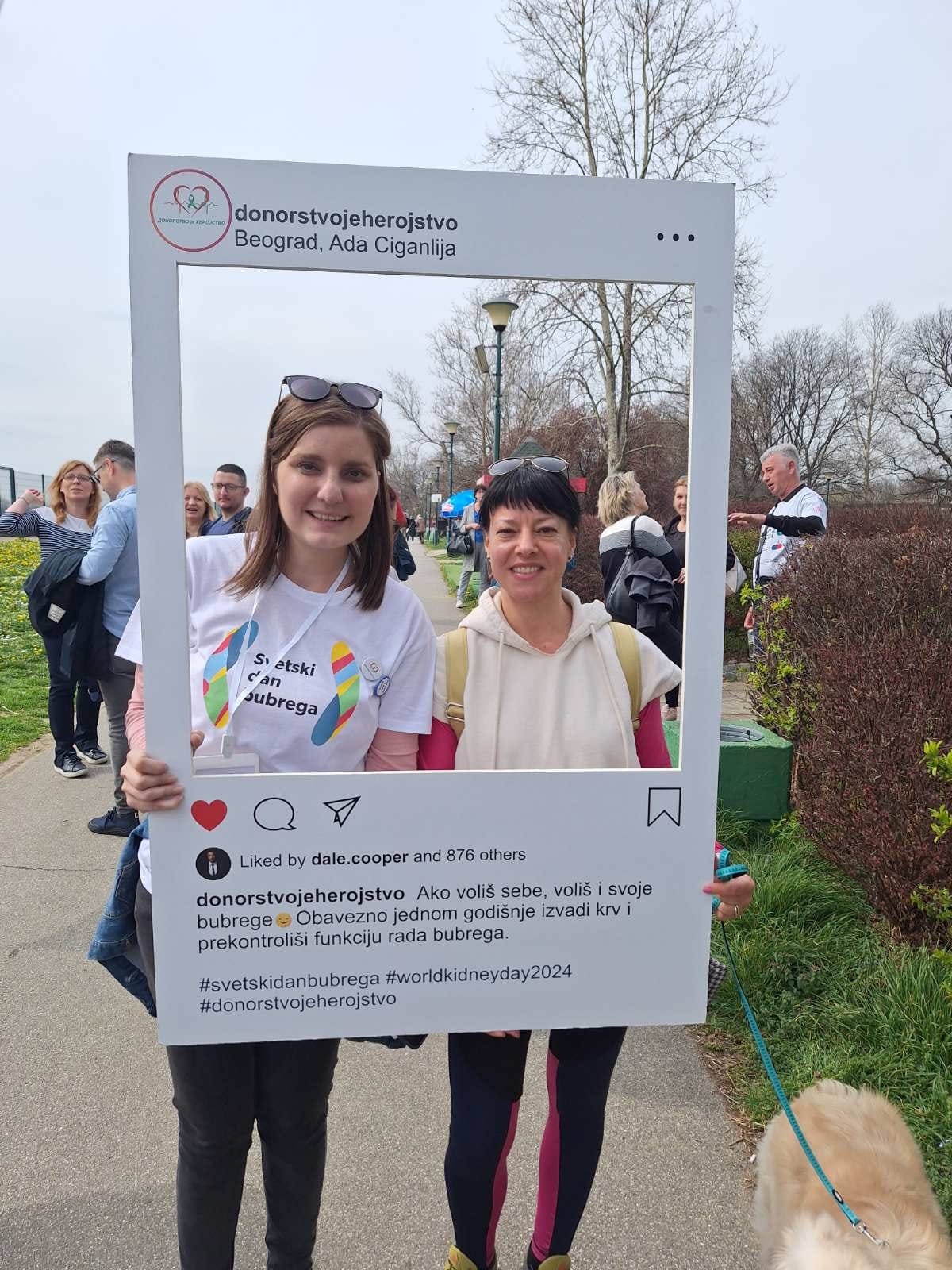
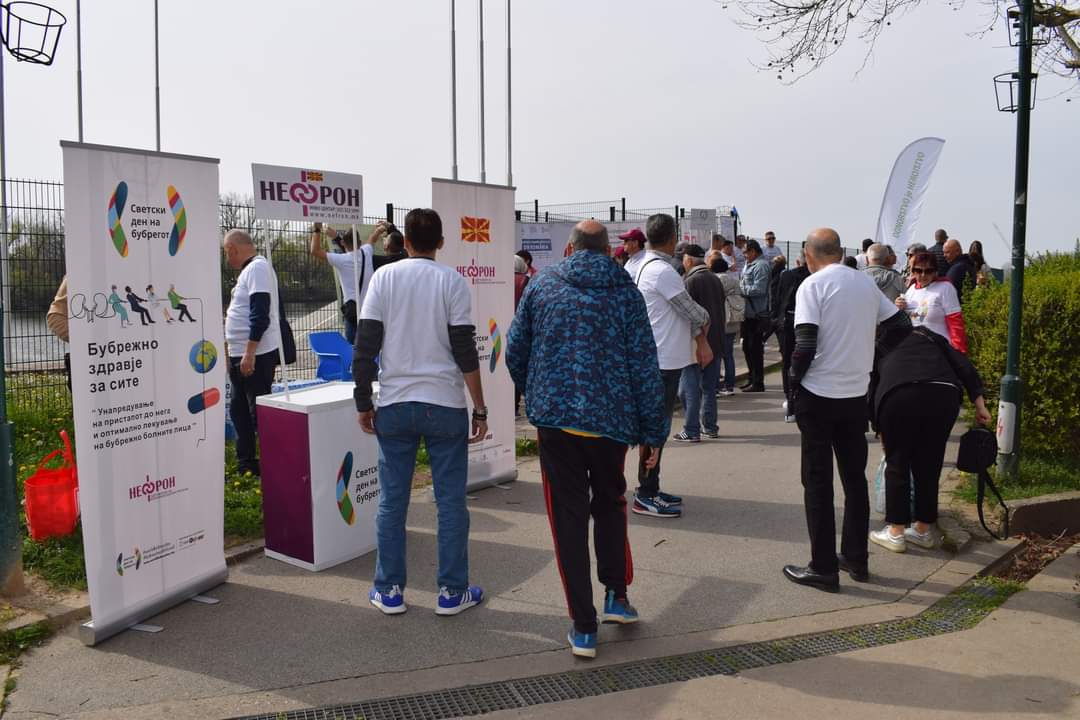
Around the globe, people will be coming together to mark World Kidney Day. How will you be celebrating? Let us know by posting information about your activity on our activity map!
While kidney disease can affect people of all ages and races, women tend to face more specific challenges linked to kidney disease. The risk of developing Chronic Kidney Disease (CKD) is at least as high in women as in men and may even be higher.
Most organs of our body have strong links and interdependency. Heart and kidneys are not an exception. There is a strong connection between kidney disease and cardiovascular (heart and blood vessels) disease.
Being overweight may increase the risk of developing a number of health issues, including diabetes, cardiovascular disease, hypertension, kidney disease, and, many more. By 2025, obesity will affect 18% of men and 21% of women worldwide.
Organ donation refers to when a person allows his/her organ(s) to be removed, legally, with their consent while they are alive or with the consent of their next of kin if the donor is deceased.
Transplantation is the transfer (engraftment) of cells, tissues or organs from one part of the body to another or from a donor to a recipient with the aim of restoring function(s) in the body.
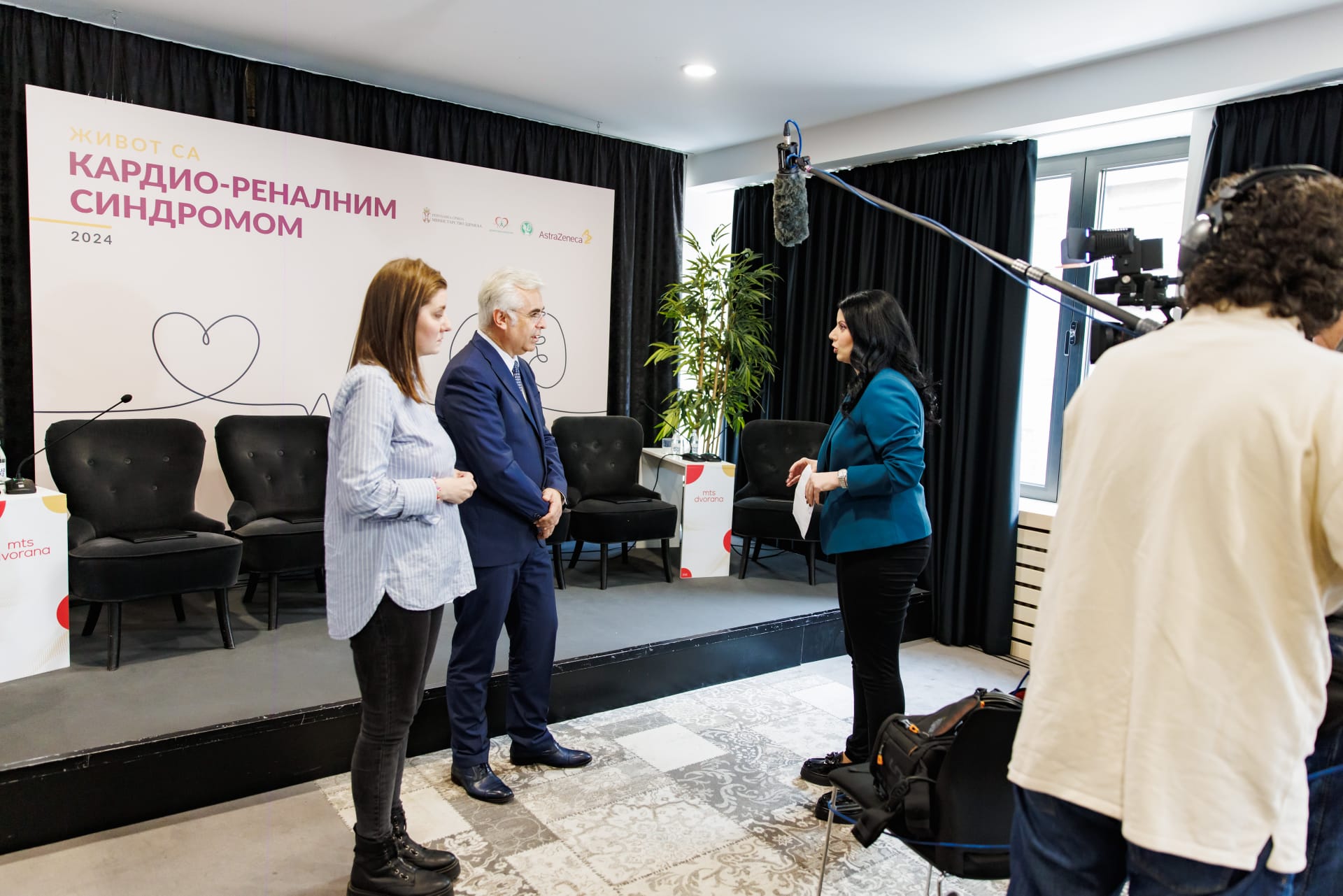
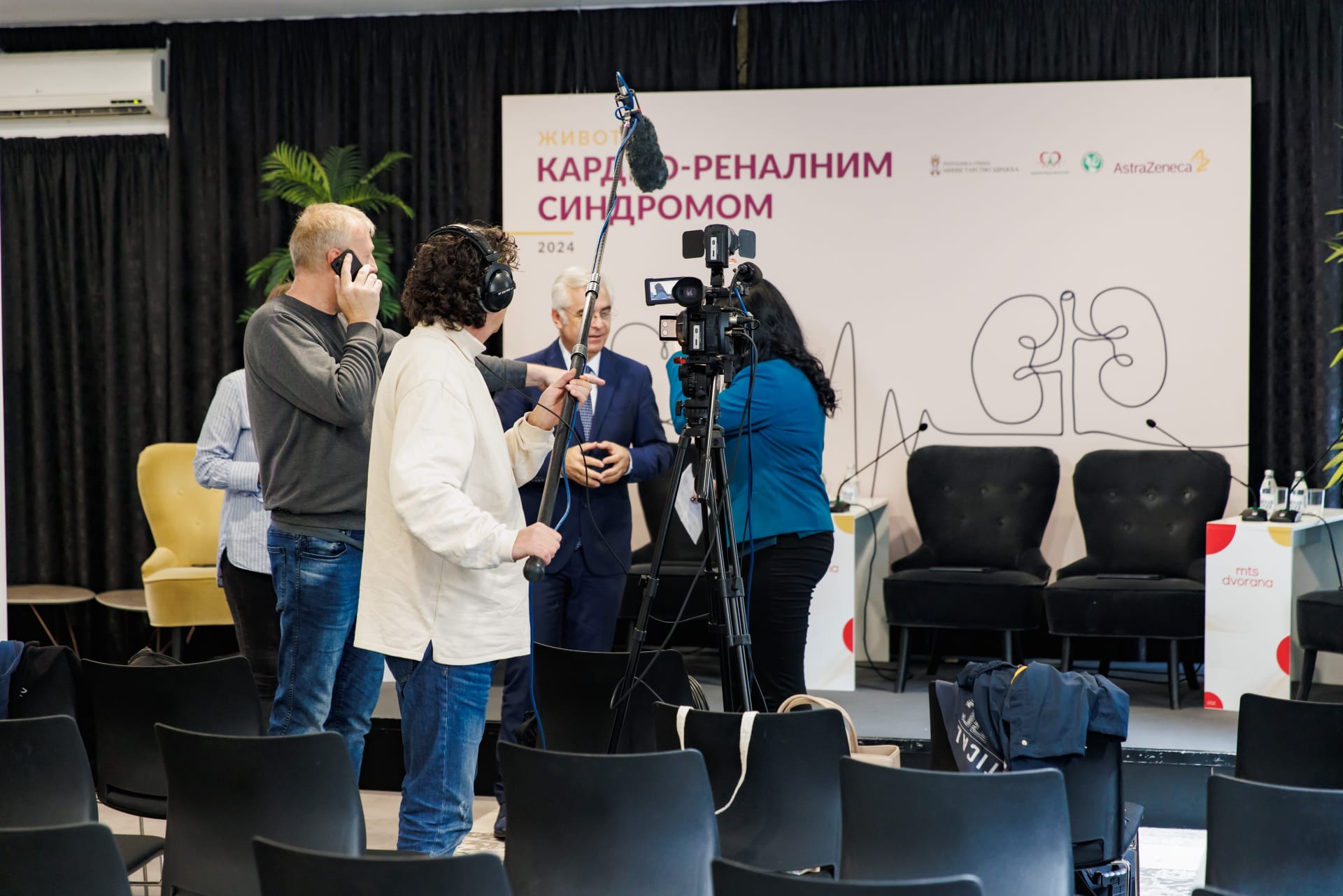
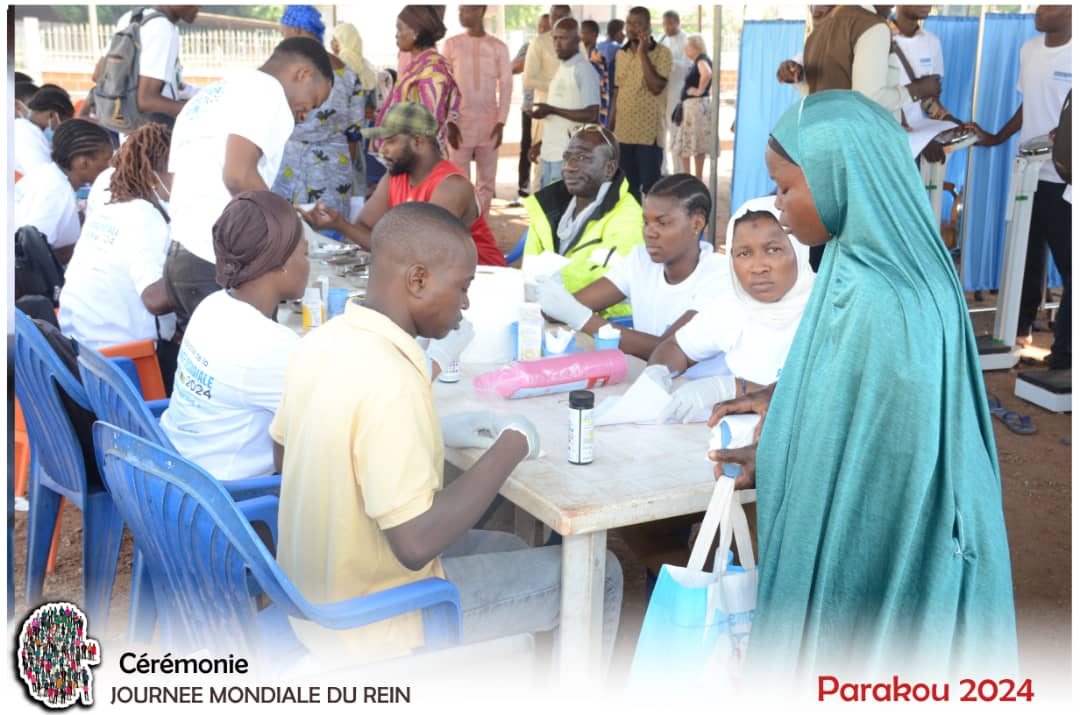
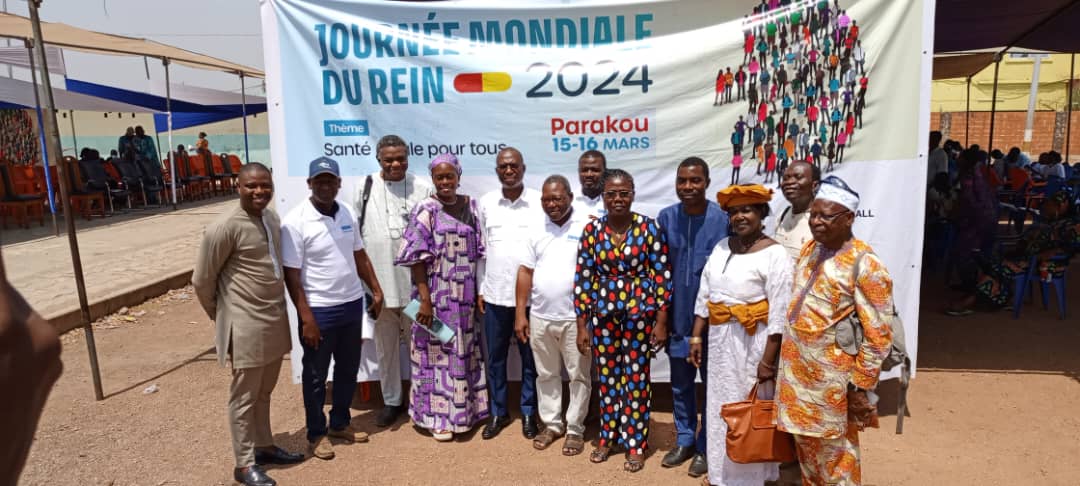
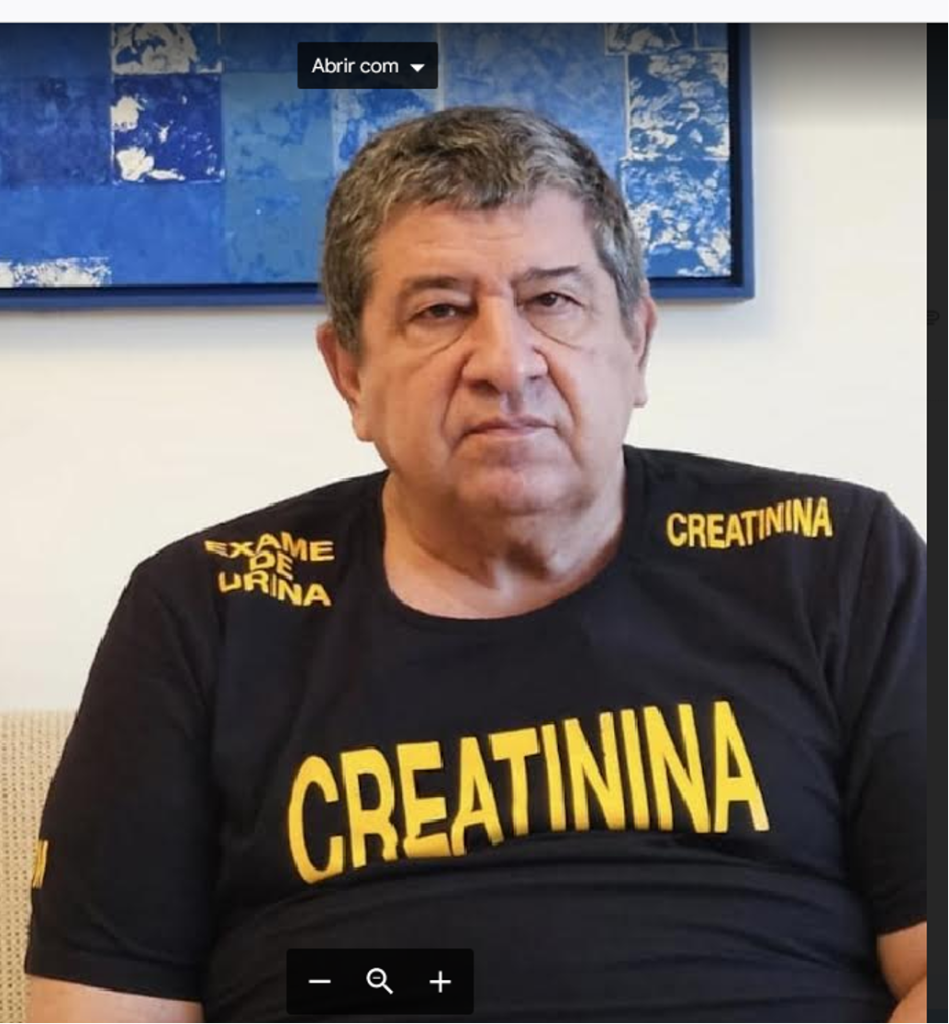
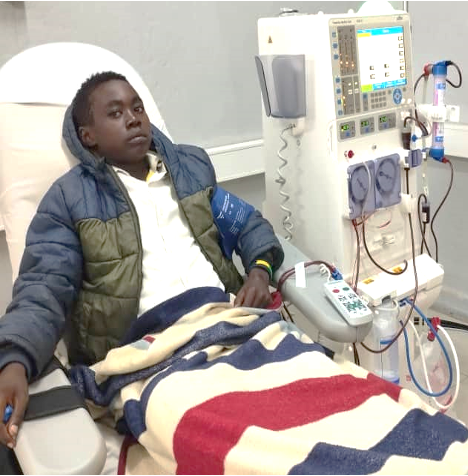
A selection of some of the best pictures of World Kidney Day throughout the years. See your activity, our team and all the ways you got involved during one of our many World Kidney Days.
World Kidney Day Champions
are committed individuals and/
or members of kidney foundations,
societies of nephrology and
patients associations that support
the campaign in the effort of raising
awareness of kidney disease
across the globe.
Error validating access token: Session has expired on Saturday, 06-Apr-24 08:30:10 PDT. The current time is Saturday, 27-Apr-24 01:26:09 PDT.
Keep up to date with World Kidney Day news by signing up to receive our emails. We only send about six to eight a year, and promise not to share your details with anyone else. Thanks!